- Empty cart.
- Continue Shopping

What Makes a High-Performing Website? 11 Traits That Matter
- Posted on
Blue Asterisk
- Categories: Technology
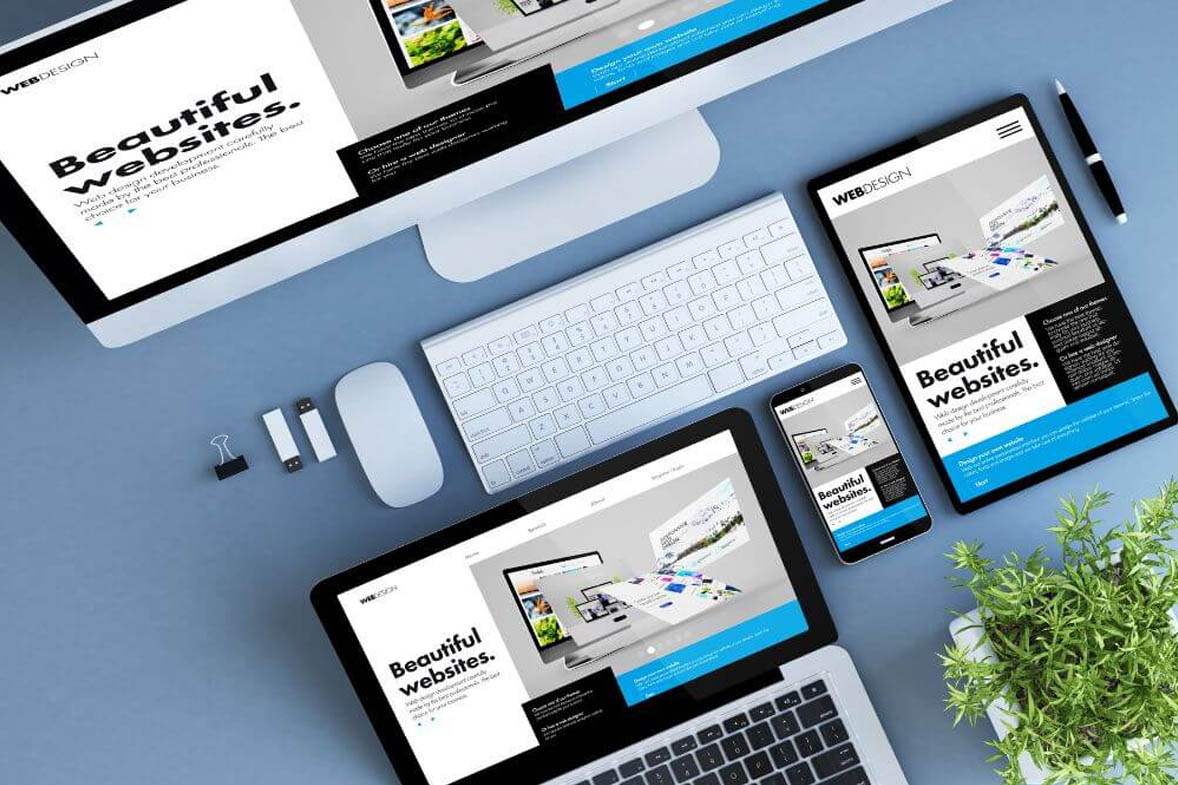
A website should clearly state its value, look polished, be secure and accessible, and feel effortless for visitors to use. For most companies, it doubles as storefront, help desk, brand HQ, and communications hub—so it must be inviting, trustworthy, and simple to navigate.
User experience (UX) pays off: research from the Baymard Institute notes that 88% of people avoid returning after a poor visit, and 32% would drop even a favorite brand after one bad interaction. They also estimate that each dollar invested in UX can return roughly $100 in value.
Below are the fundamentals that turn a forgettable site into one that attracts customers, builds trust, reduces bounce, and drives conversions. Great sites are never “done”—they’re reviewed and refined continually.
1) Purpose & Value Proposition
Decide who you serve, which problem you solve, and why you’re different—before writing copy or choosing layouts. A crisp value proposition keeps pages focused and aligned with user intent.
Try: Summarize your mission on the About page; highlight the unique benefits users get; keep all copy anchored to that core message.
Example: Hodinkee’s “Our Story” presents itself as a go-to resource for modern and vintage watch fans.
2) Visual Design
Visitors form opinions in ~0.05 seconds. Use color, imagery, type, and layout to express your brand and make browsing a pleasure.
Try: Clean, uncluttered layouts with generous white space; high-quality photography; a restrained color system (often ~3 core colors).
Examples: OffLimits leans into playful, creative visuals; Kai Collective leads with striking hero imagery that reinforces brand style.
3) Customer-Centered UX
Make the journey obvious: browse, filter, add to cart, and checkout with zero friction. Consistency across channels matters just as much.
Try: Clear menu labels, search that actually helps, short paths to product pages and checkout, no dead ends.
Examples: Belstaff keeps top-level navigation tight; Clothes Mentor’s dropdowns and search icon speed product discovery.
4) Performance & Mobile Readiness
Speed converts. Portent found pages loading in 1s convert ~3× more than at 5s (and ~5× more than at 10s). Mobile matters, too: about one-third of Americans buy on their phones weekly, and Google indexes mobile first.
Try: Reliable hosting, compressed images, fix broken links and errors, responsive layouts that adapt to any screen.
Example: Cowboy’s site trims navigation on mobile and uses swipe-friendly, minimalist product pages.
5) Clear Calls to Action (CTAs)
CTAs move people from interest to action—“Add to Cart,” “Buy Now,” “Learn More,” “Sign Up.”
Try: Make buttons unmissable, concise, and well-placed; use persuasive microcopy (e.g., “Limited-time offer”).
Example: World Wide Stereo pairs prominent hero images with bold, lead-generating CTA buttons.
6) Search Engine Optimization (SEO)
SEO helps search engines crawl, understand, and rank your pages—bringing free, compounding traffic.
Try: Use relevant keywords, ensure fast and mobile-friendly pages, add structured data (schema), and make sharing easy.
Example: Vermont Woods Studios ranks for terms like “solid wood bookcases handcrafted in Vermont,” reinforced by specific materials and attributes on its landing pages.
7) Relevant, Useful Content
Content should answer real questions, educate, persuade, and guide users to outcomes—while matching search intent.
Try: Detailed product descriptions, a content plan (blogs, guides, evergreen resources), FAQs, video or audio where helpful.
Example: Gnarly Nutrition’s “Gnarly Stories” publishes regular educational posts that also showcase products.
8) Personalization
Tailor experiences to keep visitors exploring. McKinsey reports 71% expect personalized interactions, and most feel frustrated when they don’t get them.
Try: Related items on product/search pages, quizzes and calculators, dynamic blocks based on behavior, and triggers like abandoned-cart reminders.
Example: Revision Skincare’s quiz helps shoppers pick the right Intellishade formula.
9) Accessibility
Inclusive design helps everyone and reflects well on your brand—and often improves SEO and usability.
Try: Audit accessibility (e.g., with tools like Accessibly), pick themes aligned with WCAG, add alt text, ensure color contrast, logical headings, and keyboard navigation.
Example: Revice documents accessibility features and offers contact points for feedback.
10) Technical Security
People won’t buy if they feel unsafe. Baymard (2025) found 19% abandoned carts recently due to distrust around payment security.
Try: Secure hosting, routine vulnerability scans, up-to-date software, strong passwords or MFA, SSL/TLS everywhere, and PCI DSS-compliant payments.
Example: Luxe Water Walls publishes a security statement to reassure customers.
11) Credibility & Trust Signals
Online shoppers rely on digital proof. Show that you’re real, responsive, and respected.
Try: Clear contact info, reviews and testimonials, certifications/awards/press, and case studies.
Example: Chocolate.org features customer testimonials to boost confidence.
Bottom line: Successful websites blend strategy, thoughtful design, technical rigor, and user-first content and they evolve continuously to grow conversions and sales.


